
Is Ceviche Raw or Cooked? The Truth About Acid-Cured Fish
Have you ever wondered: is ceviche raw or cooked?
This common question often sparks debate among food enthusiasts and chefs alike.
Understanding the preparation methods of ceviche is crucial for anyone who enjoys this flavorful dish, as it directly affects both its overall food safety standards and taste profile.
In this article, you will discover the truth about ceviche, including how long it takes for fish to "cook" in lime juice using citric acid.
This knowledge will empower you to enjoy ceviche with confidence, whether you're dining out or preparing it at home.
We will also address common misconceptions about raw seafood dishes and clarify the nuances of acid-curing fish.
By the end, you'll have a comprehensive understanding of ceviche and its unique culinary techniques.
Is Ceviche Raw Fish? The Short Answer
Ceviche is often a subject of debate when it comes to its classification as raw or cooked fish.
The answer lies in the preparation process, specifically the use of acidic ingredients like lime juice or lemon juice.
Technically, ceviche is raw in the sense that it is not exposed to thermal heat.
However, the acid achieves a chemical transformation in the fish's texture and flavor, effectively "cooking" the proteins without fire.
The Science Behind It: How Acid Cures Fish
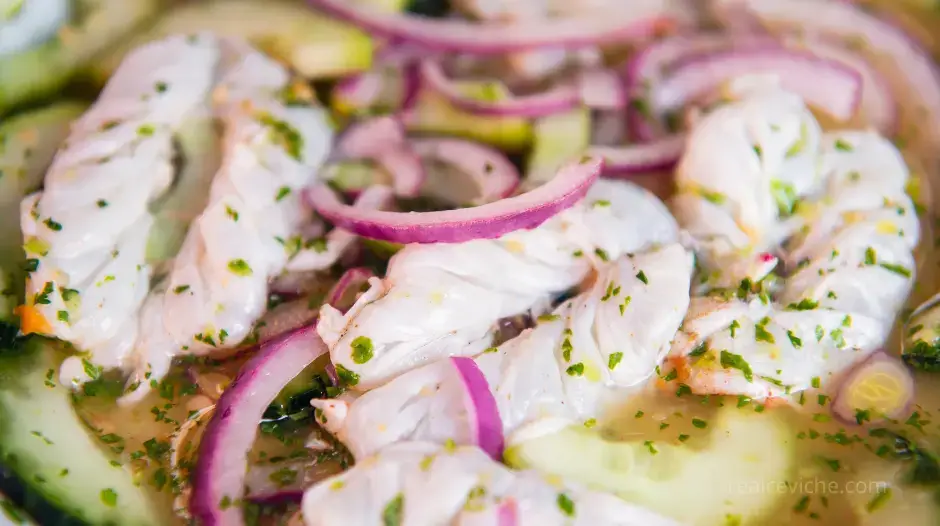
The process of making ceviche relies on the denaturation of proteins, which occurs when fish is exposed to acid.
Unlike traditional cooking, which uses heat to alter the structure of proteins, acid breaks down the proteins in fish at a molecular level.
This results in a change in texture, making the fish firm and opaque, akin to being cooked.
For instance, when lime juice is poured over fresh fish, the citric acid begins to alter the proteins within minutes.
A common example is using fresh white fish like tilapia or snapper.
After marinating for about 15-30 minutes, the fish appears white and flaky, resembling cooked fish.
However, it is vital to remember: the absence of heat means the fish retains some biological characteristics of raw seafood.
Denaturation vs. Thermal Cooking: What Is the Difference?
Understanding the difference between chemical denaturation and thermal cooking is crucial for food safety.
While both processes change the fish's proteins, their impact on bacteria and parasites differs significantly.
- Denaturation (Acid Curing): In ceviche, proteins are altered by acid without heat.
This method does not kill all bacteria or parasites (like Anisakis). Therefore, using high-quality, sushi-grade fish is non-negotiable. - Thermal Cooking: This method involves heat (usually above 145°F / 63°C).
Heat effectively kills bacteria and parasites, ensuring the fish is 100% safe to eat for everyone, including vulnerable groups.
According to the FDA guidelines, fish intended to be consumed raw (like in ceviche or sushi) should be frozen at specific low temperatures beforehand to destroy parasites.
| Method | Process | Safety Impact |
|---|---|---|
| Acid Curing (Ceviche) | Chemical change via pH reduction | Changes texture but may leave pathogens alive |
| Thermal Cooking | Structural change via Heat | Eliminates most bacteria and parasites |
How Long Does It Take for Ceviche to Cook in Lime Juice?
The preparation of ceviche involves marinating fish in lime juice, which plays a crucial role in the "cooking" process.
The acidity alters the proteins effectively, but the time required can vary based on the fish type and slice thickness.
The Effect of Marinating Time on Texture and Safety
Generally, ceviche should marinate for a minimum of 15 to 30 minutes to achieve a pleasant texture.
Here is how different marinating times affect your dish:
- 15-30 minutes: This is the "sweet spot" for many chefs.
The fish will be opaque on the outside but may still be slightly raw (medium-rare) in the center, offering a delicate texture. - 30-60 minutes: At this stage, the fish becomes firmer and fully opaque.
The flavor of the lime juice penetrates deeply, enhancing the overall taste profile. - 1-2 hours: Ceviche marinated for this duration develops a very firm texture.
However, prolonged exposure can lead to "over-cooking," making the fish dry or chalky. - Over 2 hours: Not recommended for delicate fish.
The acid breaks down the connective tissue too much, potentially making the texture rubbery or mushy.
How to Tell When Your Ceviche Is Ready
Determining whether your ceviche is ready involves both visual and tactile cues.
Look for these signs:
- Color Change: Fresh fish should turn from translucent (clear) to opaque (white) as it marinates.
- Texture: A properly marinated ceviche feels firm.
If you gently press the fish with a fork, it should flake easily rather than feeling squishy. - Smell: The aroma should be fresh and citrusy.
Any strong "fishy" or ammonia-like odor indicates the fish is not fresh and should be discarded. - Taste Test: Finally, taste a small piece.
The flavors should be balanced—bright acidity from the lime without completely overpowering the natural sweetness of the fish.
Common Misconceptions About Raw Seafood Dishes
Ceviche and other raw seafood dishes are often misunderstood due to widespread myths.
One prevalent myth is that all raw seafood is unsafe.
While risks exist, proper sourcing (using "sushi-grade" fish) and handling significantly mitigate them.
Another belief is that raw seafood lacks flavor compared to cooked versions.
In reality, dishes like ceviche are celebrated for their vibrant, fresh profiles, often enhanced with cilantro, onions, and spicy peppers.
- Misconception: Lime juice kills all bacteria.
Reality: Acid reduces bacteria growth but does not sterilize the food like heat does. - Misconception: Only white fish can be used.
Reality: You can use tuna, salmon, scallops, or even shrimp (often blanched first).
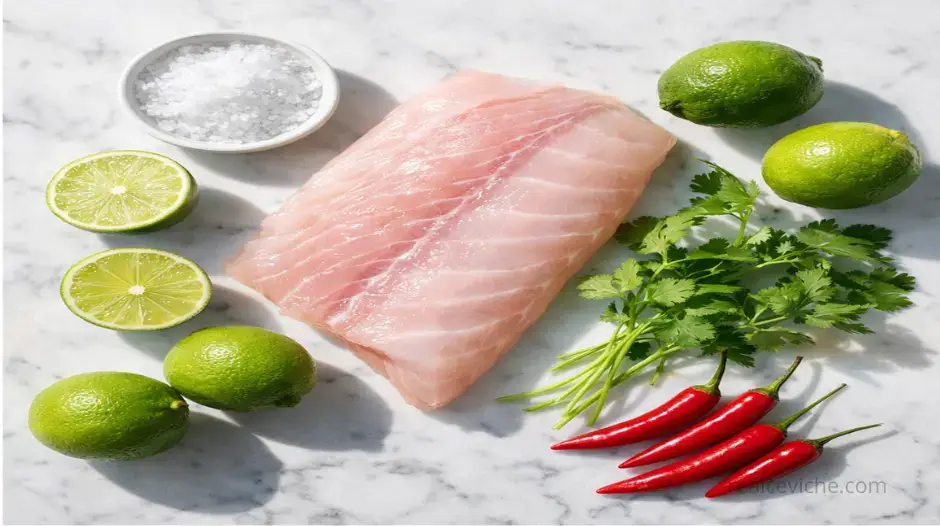
Many people also assume all raw fish dishes use the same fish.
For example, in Peru, the traditional choice is Corvina (Sea Bass), known for its firm texture.
This contrasts with Ahi Tuna used in Hawaiian Poke, which is richer and fattier.
| Type of Fish | Common Dish | Flavor Profile |
|---|---|---|
| Corvina / Sea Bass | Ceviche (Peru) | Mild, sweet, and firm |
| Ahi Tuna | Poke (Hawaii) | Rich, fatty, and savory |
| Salmon | Sushi / Ceviche | Buttery and soft |
| Snapper | Ceviche (Mexico) | Delicate and lean |
Conclusion
So, is ceviche raw? Technically yes, but chemically, it has been transformed.
Ceviche's classification hinges on the marination in lime juice, which effectively "cooks" the fish through acidity without heat.
However, understanding food safety—specifically that acid does not kill parasites—is vital.
By recognizing how ceviche is prepared and ensuring you use high-quality, previously frozen fish, you can enjoy this dish with confidence, knowing that the nutritional benefits of ceviche remain intact through the acid-curing process.
Explore new recipes, experiment with different fish types, and discover the joy of this unique culinary tradition.
Learn More About Ceviche Safety and Nutrition
Explore our specialized guides to master everything from nutritional profiles to essential storage and preparation safety standards.
Is Ceviche Healthy? Weight Loss Benefits, and Safety
Can I Eat Ceviche While Pregnant? Safety Facts & Risks
Ceviche Calories: How Many Calories Are in Ceviche?
Is Ceviche Safe to Eat? Risks and Safety Guidelines
Ceviche Nutrition Facts: Protein Content and Nutrient Profile
How Long Is Ceviche Good For? (Safety Guide & Tips)
