
Is Ceviche Healthy? Weight Loss Benefits, and Safety
Have you ever wondered if ceviche is a healthy choice for your diet?
With its rising popularity globally, from high-end restaurants to street stalls, many people are curious about its nutritional value and whether it can support their health goals, particularly in weight loss.
This article explores the core question: is ceviche healthy?
We will analyze its nutritional profile, including the essential proteins, as well as the foundations of food safety needed to enjoy it, and the top health benefits of incorporating ceviche into your meals.
We will delve into various aspects, including a straightforward answer to its healthiness, detailed nutrition facts, and how ceviche can contribute to a balanced diet without sacrificing flavor.
- Is Ceviche Good for You? The Short Answer
- Nutritional Profile: Protein, Calories, and Vitamins
- Top Health Benefits of Eating Ceviche
- Is Ceviche Good for Weight Loss?
- Is Shrimp Ceviche Healthy? Comparing Seafood Options
- Potential Drawbacks and Safety Considerations
- How to Make a Healthy Ceviche at Home
- Frequently Asked Questions
- Learn More About Ceviche Safety and Nutrition
Is Ceviche Good for You? The Short Answer
Ceviche is often praised for its fresh ingredients and vibrant flavors, but is ceviche healthy for your specific dietary needs?
The short answer is yes.
Ceviche can be a very healthy option, particularly when made with high-quality fish and fresh vegetables.
It is naturally low in calories and packed with high quality protein, making it a popular choice for those looking to lose weight and maintain a balanced diet.
For example, a standard serving of ceviche made with 4 ounces of fresh white fish (like sea bass or tilapia) contains approximately 120-150 calories and provides around 25 grams of protein.
This makes it a nutrient-dense option compared to many fried or processed foods.
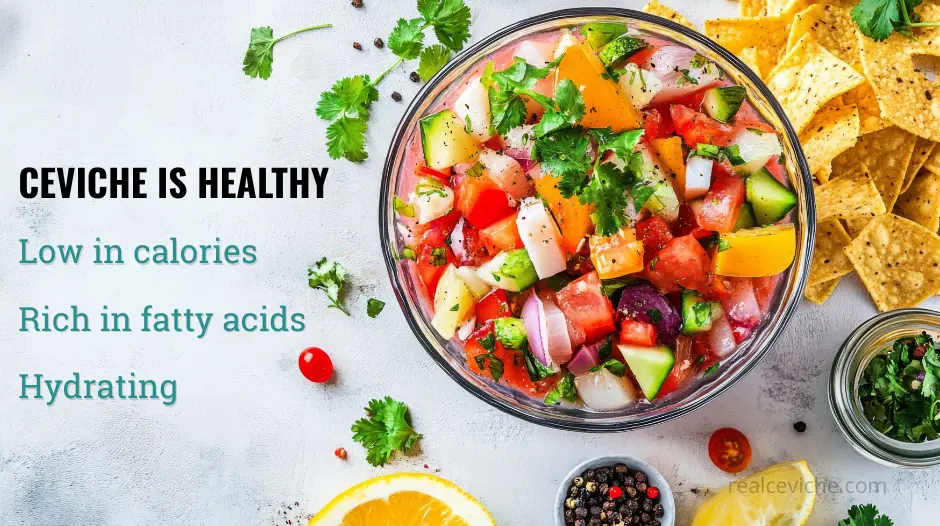
Additionally, ceviche is often accompanied by ingredients like tomatoes, onions, and cilantro, which add essential vitamins and minerals without adding fat.
- Low in calories: Ideal for creating a calorie deficit for weight management.
- Rich in fatty acids: Especially when using fatty fish like salmon or mackerel.
- Hydrating: The fresh lime juice and vegetables contribute to overall hydration.
However, it's important to consider food safety.
Consuming raw fish can pose risks, especially for individuals with compromised immune systems.
Using fresh, high-quality fish from reputable sources—preferably frozen first to kill parasites—minimizes these risks.
Nutritional Profile: Protein, Calories, and Vitamins
Breakdown of Calories, Protein, and Fats
Ceviche is not only flavorful but also a nutrient-dense dish.
Unlike cooked dishes that may use heavy oils, ceviche relies on acid for "cooking."
Here is a typical nutritional breakdown for a 100g serving of white fish ceviche:
| Nutrient | Amount per Serving | Benefit |
|---|---|---|
| Calories | 100 - 150 kcal | Low calorie density aids weight control. |
| Protein | 20 - 25 g | Supports muscle repair and satiety. |
| Total Fat | 2 - 4 g | Mostly healthy unsaturated fats. |
| Carbohydrates | 3 - 5 g | Very low carb (keto-friendly depending on sides). |
This profile makes ceviche an excellent source of lean protein, crucial for muscle repair and overall health.
The low fat content, primarily from healthy sources, contributes to heart health without spiking cholesterol.
Key Vitamins and Minerals
Ceviche is particularly rich in essential vitamins and minerals derived from both the seafood and the plant-based mix-ins:
- Vitamin C: Essential for immune function. The marinade (Leche de Tigre) is packed with lime juice; a serving can provide about 30% of the daily recommended intake.
- Vitamin D & B12: Seafood is one of the best sources of Vitamin B12, vital for energy levels. Ceviche made with salmon can also significantly boost Vitamin D levels.
- Iron & Potassium: Important for blood health and blood pressure regulation. Shellfish versions can offer around 10% of the daily iron requirement.
Top Health Benefits of Eating Ceviche
According to a major 2018 meta-analysis published in Public Health Nutrition, regular consumption of fish is directly linked to a lower risk of heart disease and mortality. This makes ceviche not just a tasty meal, but a scientifically-backed superfood for heart health.
High-Quality Lean Protein for Muscle Maintenance
Ceviche is an excellent source of high quality protein, which is essential for muscle maintenance and overall health.
A typical serving contains about 20 grams of protein.
This makes it a great choice for those looking to build or sustain muscle mass without consuming the saturated fats found in red meat.
Including ceviche in your diet can help meet your daily protein requirements efficiently.
Athletes or those engaged in regular physical activity benefit from incorporating ceviche as a post-workout meal, providing both protein for repair and hydration from the vegetables.
Rich in Omega-3 Fatty Acids for Heart Health
One of the standout features of ceviche is its rich content of omega-3 fatty acids, primarily from fish such as salmon, mackerel, or even sea bass.
These healthy fats are known for their brain and heart health benefits.
According to research, Omega-3s are crucial for reducing systemic inflammation.
Key benefits include:
- Supports cardiovascular function: Helps reduce triglycerides.
- Reduces inflammation: Systemic inflammation is a root cause of many chronic diseases.
- Promotes better cholesterol levels: Raises "good" HDL cholesterol.
(Related: Learn more about Omega-3 fatty acids on Wikipedia)
Antioxidant Power of Onions, Cilantro, and Chili Peppers
The fresh ingredients in ceviche, such as red onions, cilantro, and chili peppers (like ají limo or jalapeño), contribute significantly to its antioxidant properties.
Antioxidants help combat oxidative stress in the body.
Onions are known for their quercetin content, which has anti-inflammatory effects.
Cilantro is a potent heavy-metal detoxifier and is rich in vitamins A and K.
Together, these ingredients create a nutrient-rich dish that supports health and overall wellness.
Is Ceviche Good for Weight Loss?
Low Calorie Density and Satiety
Is ceviche healthy for weight loss? Absolutely.
Ceviche is particularly beneficial due to its low calorie density.
A typical serving contains around 150 calories, primarily from lean protein and fresh vegetables.
This means you can enjoy a satisfying portion without consuming excess calories.
Additionally, the high quality protein content plays a crucial role in satiety.
Protein is known to keep you full longer compared to carbohydrates or fats.
This can help you manage cravings and reduce the likelihood of overeating later in the day, making ceviche an excellent choice for any weight management plan.
When enjoying ceviche, it’s essential to consider what you pair it with.
Traditional accompaniments like fried tortilla chips can add significant calories and unhealthy trans fats.
A basket of chips can easily add 200+ calories, negating the low-calorie benefits of the ceviche itself.
Instead, consider healthier alternatives found in a traditional Peruvian ceviche recipe:
- Boiled Sweet Potato (Camote): Adds complex carbs and beta-carotene.
- Corn (Choclo): Provides fiber and texture.
Unlike processed chips, the fiber in sweet potato helps regulate blood sugar levels, providing sustained energy rather than a sugar crash.
Is Shrimp Ceviche Healthy? Comparing Seafood Options
Fish vs. Shrimp: Cholesterol and Nutrient Differences
When asking is shrimp ceviche healthy, it is important to compare it to fish options.
While both are nutritious, their profiles differ slightly.
| Feature | White Fish (e.g., Tilapia/Bass) | Shrimp |
|---|---|---|
| Cholesterol | Low (~50mg per 100g) | Higher (~160mg per 100g) |
| Omega-3s | High (Varied by species) | Low |
| Key Mineral | Potassium | Selenium (Antioxidant) |
| Texture | Flaky, delicate | Firm, crunchy |
Key takeaway: Shrimp is rich in selenium and Vitamin B12, supporting thyroid function and energy.
However, fish generally provides more omega-3 fatty acids for heart health.
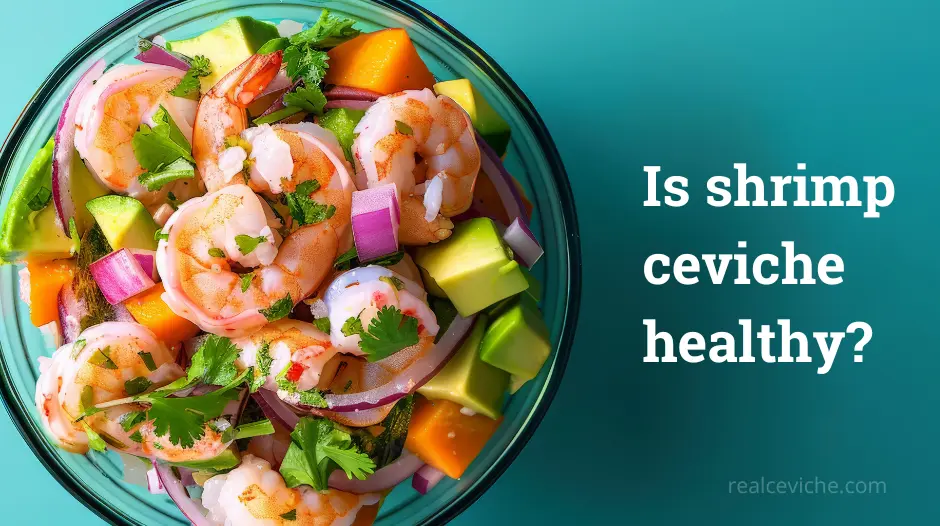
If you are watching your dietary cholesterol strictly, white fish might be the better option.
However, for most people, the dietary cholesterol in shrimp has a minimal impact on blood cholesterol compared to saturated fats.
Is Peruvian Ceviche Healthy Compared to Mexican Styles?
Both styles are nutritious, but the serving method matters.
- Peruvian Ceviche: typically uses fresh fish marinated in lime juice for a shorter time and is served with boiled sweet potatoes and corn. This offers a balanced meal with complex carbs and no added fats.
- Mexican Ceviche: Often includes shrimp or a mix of seafood with chopped cucumber, tomato, and avocado, served on tostadas (fried corn tortillas).
While the avocado adds healthy fats, the tostadas increase the calorie count.
Ultimately, both versions can be healthy choices, but if weight loss is the goal, the boiled sides of the Peruvian style or avoiding the tostadas in the Mexican style is preferable.
Potential Drawbacks and Safety Considerations
Food Safety: Is Raw Fish Safe to Eat?
Eating ceviche entails consuming raw fish, which carries inherent food safety risks.
Parasites, such as Anisakis, and bacteria like Vibrio can be present in undercooked seafood.
(Learn more about Anisakis)
It is a common myth that lime juice "cooks" the fish enough to kill these pathogens; it only denatures the protein.
To mitigate these risks, the FDA recommends specific freezing guidelines (freezing at -4°F for 7 days).
While dining out requires trusting the restaurant, preparing it at home gives you full control over the quality and safety of your ingredients, as we explain in the next section.
(Source: FDA Seafood Safety Guidelines)
Sodium Content: The Impact of Salt and Marinades
Ceviche often includes ingredients such as salt and soy sauce (in Nikkei variations), which can significantly increase its sodium content.
A typical serving may contain over 600 mg of sodium, which can be concerning for individuals with high blood pressure.
However, this drawback is manageable.
If you prepare ceviche yourself, you can dramatically reduce sodium without sacrificing the "kick" of the dish by using alternative flavor enhancers.
Who Should Avoid Ceviche?
Certain populations should avoid raw ceviche due to immune system vulnerabilities:
- Pregnant Women: Due to risks of Listeria and mercury.
- Immune Compromised: Individuals with liver disease or diabetes.
To provide alternatives, "cooked ceviche" options can be prepared.
For instance, you can poach shrimp or fish until fully cooked and then marinate it in the citrus mixture.
How to Make a Healthy Ceviche at Home
Selecting the Freshest Fish and Ingredients
When making ceviche, the freshness of your ingredients is crucial for both safety and flavor.
Choose fish that is labeled as sushi-grade or "sashimi-grade".
Good options for texture and flavor include sea bass, snapper, halibut, or mahi-mahi.
Here is how to ensure you are buying the best quality:
- Smell the fish: It should have a mild ocean scent, not a strong or ammonia-like odor.
- Check the skin: If whole, the skin should be shiny and metallic, not dull.
- Sustainability: Opt for sustainable seafood options to support environmental health.
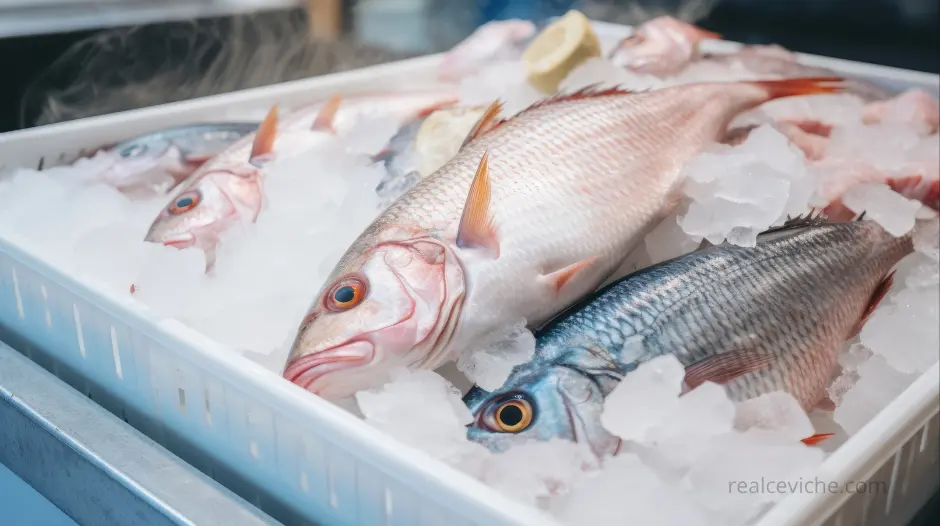
Incorporating fresh vegetables such as celery, cucumbers, and radishes can add crunch and fiber to your ceviche, enhancing the nutritional profile further.
Simple Tips to Reduce Sodium
Reducing sodium in your ceviche does not mean sacrificing flavor.
Instead of relying on salt, consider the following alternatives to keep it heart-healthy:
- Maximize acidity: Use a mix of lemon and lime juice to add complexity.
- Herbal power: Incorporate generous amounts of cilantro, parsley, or mint.
- Spice it up: Use fresh chili peppers or ginger to distract the palate from the lack of salt.
By making these adjustments, you can create a delicious, healthy ceviche that maintains its vibrant taste while being lower in sodium.
Frequently Asked Questions
Is ceviche safe to eat during pregnancy?
Pregnant individuals should exercise caution.
Traditional ceviche uses raw fish, which poses risks.
It is advisable to opt for cooked seafood alternatives to avoid potential foodborne illnesses.
Can ceviche help with weight loss?
Yes, ceviche is good for weight loss. It is a low-calorie dish (approx. 150 calories) and high in protein, which helps keep you full, reducing snacking impulses.
Is ceviche high in protein?
Ceviche is generally high in protein, with a serving containing approximately 20-25 grams.
This makes it a great choice for muscle repair.
What are the best fish options for ceviche?
The best fish are semi-firm white fish like sea bass, snapper, tilapia, or halibut.
For higher Omega-3 content, salmon is an excellent choice.
Learn More About Ceviche Safety and Nutrition
Explore our specialized guides to master everything from nutritional profiles to essential storage and preparation safety standards.
How Long Is Ceviche Good For? (Safety Guide & Tips)
Is Ceviche Raw or Cooked? The Truth About Acid-Cured Fish
Ceviche Nutrition Facts: Protein Content and Nutrient Profile
Can I Eat Ceviche While Pregnant? Safety Facts & Risks
Ceviche Calories: How Many Calories Are in Ceviche?
Is Ceviche Safe to Eat? Risks and Safety Guidelines
