
Ceviche Nutrition Facts: Protein Content and Nutrient Profile
Have you ever wondered about the nutritional value of ceviche?
As a popular dish enjoyed worldwide, many people are curious about its health benefits, particularly its protein content and overall nutrient profile.
Understanding these aspects can help you make informed dietary choices, especially if you are following a specific regimen like the Keto diet or a low-carb plan.
This article will delve into the ceviche nutrition facts, providing a comprehensive breakdown of its nutritional value per serving, the specific protein analysis, and variations that might alter its nutrient content.
By exploring these details, you will gain valuable insights into food safety practices and gain valuable insights into how ceviche is widely considered a healthy choice and how to incorporate it into a balanced diet..
We will cover topics such as the nutritional value of different ceviche types, the protein quantity contained, and how various ingredients impact the overall nutrient profile.
This knowledge will empower you to enjoy ceviche while maximizing its health benefits and maintaining your fitness goals.
Ceviche Nutritional Value per Serving: The Breakdown
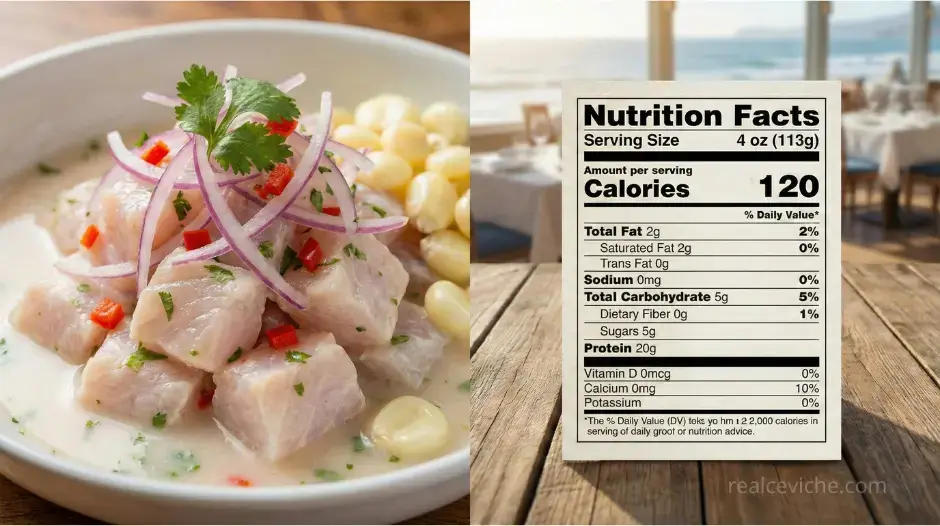
Macronutrient Profile: Protein, Carbohydrates, and Fats
Ceviche is often celebrated not only for its vibrant flavors but also for its exceptional nutritional value.
A typical serving of ceviche, which is about 4 ounces (113 grams), provides a balanced macronutrient profile ideal for maintaining a lean physique.
On average, it contains approximately 20 grams of protein, which is essential for muscle repair and growth.
This high protein content makes ceviche an excellent option for athletes or anyone looking to increase their intake of lean protein.
In terms of carbohydrates, ceviche generally contains around 5 grams per serving, primarily from the added fresh ingredients like onions and cilantro.
The low carbohydrate content can be beneficial for those following a low-carb diet or managing insulin levels.
Additionally, ceviche is naturally low in fats, typically containing less than 2 grams per serving (depending on the fish), making it a smart choice for those monitoring their fat intake.
- Protein: 20 grams (High quality)
- Carbohydrates: 5 grams (Low carb friendly)
- Fat: 2 grams (Low saturated fat)
Micronutrients: Essential Vitamins and Minerals Content
Beyond macronutrients, ceviche is rich in essential vitamins and minerals that support overall wellness.
A serving can provide significant amounts of Vitamin C, which is crucial for maintaining a healthy immune system.
For instance, the lime juice used in ceviche—which triggers the process of denaturation to "cook" the fish without heat—not only enhances flavor but also contributes to its Vitamin C content, providing approximately 30% of the daily recommended intake.
Moreover, seafood is a prime source of Vitamin B12, a nutrient vital for nerve function and DNA production.
Ceviche also contains minerals such as potassium and magnesium, which play vital roles in muscle function.
A study noted that a serving of ceviche can deliver around 10% of the daily value for potassium.
This makes it a great option for hydration and electrolyte balance, especially after physical activity.
To summarize, ceviche's micronutrient profile typically includes:
- Vitamin C: ~30% of daily value (Supports immune health)
- Vitamin B12: Essential for energy and red blood cell formation
- Potassium: ~10% of daily value
- Magnesium: ~8% of daily value
Ceviche not only satisfies taste buds but also supports health through its rich nutrient profile, making it a nutritious choice for a variety of diets, including Mediterranean and Paleo.
Protein in Ceviche: Analysis and Quantity
How Much Protein Does Ceviche Have? (By Fish Type)
The question "how much protein does ceviche have" depends significantly on the type of fish used as the base.
Different species offer varying densities of protein.
Here’s a breakdown of the protein content for some popular fish commonly found in ceviche recipes:
- White Fish (e.g., tilapia, sole): Approximately 20-25 grams of protein per 100 grams. It is a very lean source.
- Salmon: Contains about 20-25 grams of protein per 100 grams, along with high levels of healthy fatty acids.
- Tuna: Offers around 23-30 grams of protein per 100 grams, making it one of the richest sources of protein among ceviche ingredients.
- Snapper: Provides about 22-26 grams of protein per 100 grams, boasting a delicate flavor and firm texture.
This variation emphasizes the importance of selecting fish not only for flavor but also for its nutritional benefits.
For instance, while tuna is protein-dense, salmon adds heart-healthy fats to the mix.
Does Ceviche Have Complete Protein?
Yes, ceviche has protein that is considered "complete."
Since it is primarily made from fish, it provides all nine essential amino acids necessary for human health that the body cannot produce on its own.
This quality is particularly important for those looking to build muscle or maintain overall health.
For example, a serving of ceviche made with tuna not only enhances protein intake but also provides essential nutrients like selenium and Vitamin D.
It's worth noting that ceviche can be paired with ingredients like avocado or corn.
This adds additional nutrients, fiber, and healthy fats, enhancing the overall nutritional profile for a more satiating meal.
Protein Density: Ceviche vs. Cooked Fish
When comparing protein density between ceviche and cooked fish dishes, ceviche often retains the integrity of the nutrient profile.
While cooking fish is healthy, high heat can sometimes alter the structure of heat-sensitive vitamins.
Here’s a comparison of protein retention:
| Type of Fish | Protein Content per 100g (Ceviche/Raw) | Protein Content per 100g (Cooked) |
|---|---|---|
| White Fish | 20-25 grams | 18-23 grams |
| Salmon | 20-25 grams | 22-24 grams |
| Tuna | 23-30 grams | 24-28 grams |
| Snapper | 22-26 grams | 20-24 grams |
This table illustrates that while cooked fish remains a great source of protein, ceviche offers a fantastic protein density due to the preservation of nutrients through its non-thermal preparation method.
Nutritional Facts by Ceviche Variation
White Fish Ceviche Nutritional Profile
White fish ceviche, commonly made with species like tilapia, sea bass, or sole, offers a light and refreshing option.
Typically, a 100-gram serving contains approximately 20 grams of protein, making it a great source for those seeking high protein content without the extra calories.
Additionally, it is exceptionally low in fat, generally around 2 grams, and provides minimal carbohydrates.
Furthermore, white fish ceviche is rich in selenium, crucial for supporting immune function.
The low calorie count, usually around 120 calories per serving, makes it an excellent choice for weight loss plans.
Shrimp Ceviche Nutrition Facts and Protein
Shrimp ceviche is another popular variation, known for its succulent flavor and texture.
A typical 100-gram serving of shrimp ceviche contains about 24 grams of protein, which is higher than most white fish options.
This makes it an excellent choice for fitness enthusiasts looking for ceviche nutrition that supports muscle recovery.
- Calories: Approximately 130 calories
- Fat: Around 1.5 grams (Low fat)
- Carbohydrates: ~1 gram (Very Low Carb)
- Cholesterol: ~150 mg
The nutrient profile also includes essential antioxidants like astaxanthin, which contribute to heart health.
The combination of protein and low calories makes shrimp ceviche a satisfying and nutritious meal option.
Mixed Seafood Ceviche Nutrient Data
Mixed seafood ceviche combines various types of seafood, often including fish, shrimp, calamari, and octopus.
This variation not only enhances the flavor complexity but also boosts the protein content significantly.
A standard serving of 100 grams can provide around 22-26 grams of protein, depending on the specific seafood mix used.
Here's a comparative breakdown of the nutritional values for mixed seafood ceviche:
| Component | Value per 100g |
|---|---|
| Calories | 150-180 |
| Protein | 22-26 grams |
| Fat | 3-4 grams |
| Carbohydrates | 2-3 grams |
This mixed approach ensures a broader spectrum of nutrients, making mixed seafood ceviche an appealing option for seafood lovers who want a comprehensive nutrient boost.
Understanding Sodium and Cholesterol Levels in Ceviche
Ceviche is not only a delicious dish but also comes with distinct nutritional aspects that warrant attention, particularly sodium and cholesterol levels.
Both of these components can influence overall health, especially for individuals adhering to strict medical diets.

Traditionally, ceviche is prepared with fresh fish and marinated in citrus juices.
However, the addition of salt and sometimes soy sauce can significantly impact the sodium content.
On average, a serving of ceviche can contain anywhere from 300 to 800 mg of sodium.
According to the Dietary Guidelines for Americans, monitoring sodium intake is key for heart health.
Here is how different preparations compare:
- Low-Sodium Ceviche: Made with minimal salt, relying on herbs, chilies, and citrus for flavor.
- Traditional Ceviche: Typically includes a higher salt content to balance the acidity.
- Commercial Varieties: Store-bought ceviche may contain preservatives, leading to higher levels.
To illustrate, a typical serving of ceviche made with tilapia might contain about 400 mg of sodium, while a shrimp ceviche can exceed 700 mg due to added seasonings.
It is crucial to check labels or prepare ceviche at home to control sodium intake, referencing the USDA FoodData Central for specific ingredient data.
Regarding cholesterol, the content primarily depends on the seafood used.
Shellfish generally contain higher cholesterol levels compared to finfish.
| Type of Ceviche | Cholesterol (mg per 100g) |
|---|---|
| White Fish Ceviche (e.g., Tilapia) | ~60 mg |
| Shrimp Ceviche | ~150 mg |
| Octopus Ceviche | ~70 mg |
For instance, a serving of shrimp ceviche can contain around 150 mg of cholesterol.
However, this dietary cholesterol has less impact on blood cholesterol for most people compared to saturated fat, which is very low in ceviche.
Combining ceviche with high-fiber foods such as vegetables or avocado can help mitigate health concerns and improve the overall lipid profile.
Learn More About Ceviche Safety and Nutrition
Explore our specialized guides to master everything from nutritional profiles to essential storage and preparation safety standards.
Is Ceviche Raw or Cooked? The Truth About Acid-Cured Fish
How Long Is Ceviche Good For? (Safety Guide & Tips)
Can I Eat Ceviche While Pregnant? Safety Facts & Risks
Ceviche Calories: How Many Calories Are in Ceviche?
Is Ceviche Safe to Eat? Risks and Safety Guidelines
Is Ceviche Healthy? Weight Loss Benefits, and Safety
