
Can I Eat Ceviche While Pregnant? Safety Facts & Risks
Are you wondering, can I eat ceviche while pregnant?
This popular dish, known for its zesty flavors and fresh ingredients, poses significant health concerns during pregnancy, making it vital to understand seafood safety protocols.
Many expectant mothers find themselves questioning the safety of consuming raw seafood, which can be a common ingredient in ceviche.
This article will clarify the risks associated with ceviche consumption during pregnancy, providing valuable insights into safe eating practices.
You will learn about the potential dangers of eating raw ceviche, as well as explore specific options like shrimp ceviche.
By the end, you will have a comprehensive understanding of what to consider when indulging in ceviche while pregnant, ensuring both your safety and that of your baby.
- Is It Safe to Eat Ceviche While Pregnant?
- Why Eating Raw Ceviche Is Risky During Pregnancy
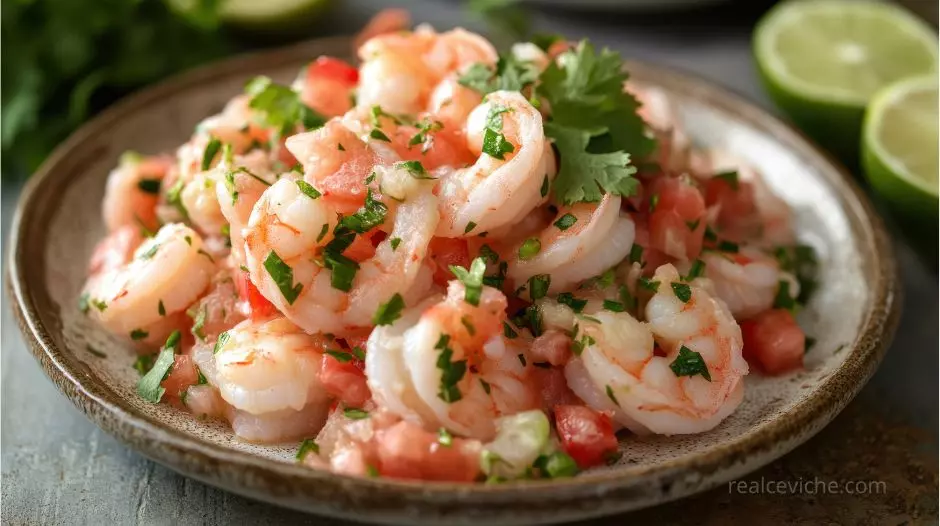
- Can I Eat Shrimp Ceviche While Pregnant?
- How to Eat Ceviche Safely When Pregnant
- What Should I Do If I Accidentally Ate Raw Ceviche?
- Frequently Asked Questions
- Conclusion
- Learn More About Ceviche Safety and Nutrition
Is It Safe to Eat Ceviche While Pregnant?
When considering whether ceviche is safe during pregnancy, it's important to understand the potential health risks involved.
Ceviche, a dish made from raw fish marinated in citrus juices, poses a risk of foodborne illnesses.
These illnesses can be particularly harmful to both the mother and the developing fetus.
Pregnant women are advised to avoid raw or undercooked seafood due to these risks.
According to the Food and Drug Administration (FDA), pregnant women undergo changes in their immune system that make them more susceptible to foodborne illness.
One of the primary concerns is the presence of parasites and bacteria, such as Vibrio or Listeria monocytogenes, which can thrive in raw fish.
According to the Centers for Disease Control and Prevention (CDC), these pathogens can lead to severe illness.
For example, Listeriosis can result in miscarriage, stillbirth, or premature delivery.
- Health Risks: Exposure to harmful bacteria and parasites in raw fish.
- Possible Symptoms: Nausea, vomiting, fever, and dehydration.
- Long-Term Effects: Complications for the baby, including developmental issues.

In 2019, a study published in the journal Foodborne Pathogens and Disease highlighted the increasing number of foodborne illnesses linked to seafood consumption.
Pregnant women, in particular, were noted to be at a higher risk.
This evidence supports the recommendation to err on the side of caution regarding ceviche.
However, some may wonder about alternatives. If you're craving ceviche, consider asking for cooked seafood options.
Many restaurants offer cooked ceviche, which can provide a similar flavor without the associated risks.
Additionally, ensuring that any seafood is sourced from reputable suppliers and is properly cooked can mitigate some concerns.
Ultimately, the question can I eat ceviche while pregnant leans heavily towards caution.
To ensure the health and safety of both mother and baby, it’s advisable to consult with a healthcare provider about dietary choices during pregnancy.
Why Eating Raw Ceviche Is Risky During Pregnancy
Risk of Foodborne Illnesses (Listeria and Salmonella)
Pregnant individuals are particularly vulnerable to foodborne illnesses, which can have serious consequences for both the mother and the fetus.
Two of the most concerning pathogens associated with ceviche are Listeria monocytogenes and Salmonella.
- Listeria: Can be found in uncooked seafood and may lead to listeriosis, a serious infection that can result in miscarriage, premature delivery, or severe illness in newborns.
- Salmonella: Is another bacterium that can contaminate raw fish, causing symptoms such as fever, diarrhea, and abdominal cramps. This illness can be dangerous during pregnancy, potentially leading to dehydration.
Parasites in Raw Fish
In addition to bacterial infections, raw fish can harbor various parasites that pose risks to pregnant women.
A notable example is Anisakis, a parasite that can cause gastrointestinal distress when ingested.
Symptoms may include nausea, vomiting, and severe abdominal pain.
Research indicates that consuming raw fish increases the risk of parasite-related infections.
According to the CDC, a significant percentage of fish can carry parasites if not properly frozen before consumption.
This statistic highlights the potential dangers of eating ceviche while pregnant.
The Myth: Does Lime Juice Kill Bacteria?
There is a common belief that marinating fish in lime juice effectively kills bacteria.
However, this is a dangerous misconception.
While lime juice can denature proteins and give the fish a "cooked" appearance, it does not eliminate harmful bacteria or parasites.
Studies show that common pathogens like Salmonella and Listeria can survive in acidic environments.
Therefore, relying solely on lime juice for food safety is insufficient.
Pregnant women should be cautious and avoid raw ceviche to ensure their health.
Can I Eat Shrimp Ceviche While Pregnant?
When it comes to asking can I eat shrimp ceviche while pregnant, understanding the preparation method is crucial.
The difference between raw and pre-cooked shrimp significantly impacts the safety of seafood consumption during this sensitive period.
Raw vs. Pre-Cooked Shrimp: Knowing the Difference
Raw shrimp, often used in traditional ceviche recipes, poses a higher risk of harboring harmful bacteria.
On the other hand, pre-cooked shrimp is generally considered safer for pregnant individuals.
Here are some key points to consider:
- Raw Shrimp: Can contain pathogens like Vibrio and Salmonella, which can lead to food poisoning.
- Pre-Cooked Shrimp: Typically steamed or boiled before being added to ceviche, significantly reducing the risk of foodborne illness.
- Cooking Temperature: Shrimp should be cooked to a minimum internal temperature of 145°F (63°C) to ensure safety.
In summary, while traditional shrimp ceviche uses raw shrimp, opting for pre-cooked shrimp can provide a safer alternative during pregnancy.
Mercury Levels in Common Ceviche Ingredients
Mercury exposure is another concern when consuming seafood during pregnancy.
Certain types of fish and shellfish contain higher levels of mercury, which can adversely affect fetal development.
Fortunately, shrimp is generally considered a low-mercury seafood option.
Below is a breakdown of mercury levels in common ingredients used for ceviche:
| Seafood Type | Mercury Level | Pregnancy Advice |
|---|---|---|
| Shrimp | Low | Safe (Best Choice) |
| Tilapia | Low | Safe (Best Choice) |
| Snapper | Moderate | Limit Consumption (Good Choice) |
| King Mackerel | High | Avoid Completely |
It is essential to balance your seafood intake with these considerations.
Always consult with your healthcare provider about dietary choices during pregnancy to ensure both your health and that of your baby.
How to Eat Ceviche Safely When Pregnant
Safe Alternatives: Cooked, Vegetarian and Vegan Options
When craving ceviche during pregnancy, there are several alternatives that allow you to enjoy the flavors without compromising your health.
Here are some safe options:
- Cooked Seafood Ceviche: Instead of using raw fish, opt for ceviche made with cooked seafood. For example, shrimp or pasteurized crab meat that has been boiled or steamed.
- Vegetarian Ceviche: Replace seafood with vegetables like cucumber, avocado, and bell peppers. You can marinate them in lime juice with onions and cilantro.
- Vegan Ceviche: Use fruits such as mango or pineapple combined with diced tomatoes and onions. This can mimic the texture and tanginess of traditional ceviche.
Cooking Methods to Ensure Safety
To ensure that ceviche is safe to eat while pregnant, proper cooking methods are essential.
Follow these safety guidelines from authority sources like FoodSafety.gov:
- Use a Meat Thermometer: When preparing cooked seafood, ensure it reaches an internal temperature of at least 145°F (63°C). This temperature is critical as it effectively kills harmful bacteria.
- Avoid Cross-Contamination: Always wash your hands after handling raw seafood. Use separate cutting boards for raw fish and fresh vegetables.
- Produce Safety: For vegetarian and vegan options, ensure all vegetables and fruits are thoroughly washed to remove any potential contaminants.
Comparing Raw vs. Cooked Ceviche
Understanding the differences between raw and cooked ceviche is crucial for making informed dietary choices during pregnancy.
Below is a comparison:
| Aspect | Raw Ceviche | Cooked Ceviche |
|---|---|---|
| Health Risks | Higher risk of foodborne illnesses | Lower risk, safe if cooked properly |
| Flavor Profile | Fresh, zesty, seafood flavor | Rich, cooked flavor with similar zest |
| Preparation Time | Quick marination | Requires cooking time |
In summary, while traditional ceviche may pose risks during pregnancy, there are plenty of safe alternatives available.
By opting for cooked, vegetarian, or vegan versions, cravings can still be satisfied while ensuring health and safety for both mother and baby.
What Should I Do If I Accidentally Ate Raw Ceviche?
If you accidentally consumed raw ceviche while pregnant, it is important to remain calm and take appropriate steps to monitor your health.
The first thing to understand is that the risk of foodborne illnesses, such as listeria and salmonella, can increase during pregnancy.
It is essential to note that according to the CDC, pregnant individuals are approximately 10 times more likely to become seriously ill from foodborne infections compared to the general population.
This heightened risk underscores the importance of vigilance.
- Monitor Symptoms: Keep an eye out for symptoms such as fever, nausea, vomiting, diarrhea, or abdominal pain.
- Seek Medical Advice: Contact your healthcare provider as soon as possible to discuss your situation and symptoms.
- Stay Hydrated: If you experience vomiting or diarrhea, ensure you drink plenty of fluids to prevent dehydration.
- Document Your Experience: Take note of what you ate and when, as this information may be valuable for your healthcare provider.
In most cases, if you don't exhibit any symptoms within 24 to 48 hours, you may not experience any serious complications.
However, it is crucial to remain vigilant.
According to recent studies, about 50% of listeria infections in the United States occur in pregnant individuals, highlighting the need for prompt action.
Additionally, it is advisable to inform your partner or family members about your situation, as they can help you monitor symptoms and provide support.
In conclusion, while the unexpected consumption of raw ceviche can be alarming, staying informed and proactive can help mitigate potential risks.
Always prioritize your health and the health of your baby by consulting healthcare professionals.
Frequently Asked Questions
Can I eat ceviche if I am in my first trimester?
During the first trimester, it is advisable to avoid raw ceviche due to potential bacteria and parasites.
Opt for cooked seafood alternatives or vegetarian options to satisfy your cravings while ensuring your safety.
What are the risks of eating ceviche while pregnant?
Consuming ceviche poses risks such as foodborne illnesses from raw seafood.
Bacteria like Listeria and parasites can cause complications during pregnancy.
It's essential to choose safe preparation methods to minimize these risks.
Are there safe ceviche recipes for pregnant women?
Yes, there are several safe ceviche recipes.
Consider using cooked seafood or plant-based ingredients.
Ingredients like avocado, cucumber, and lime can create delicious vegetarian or vegan ceviche alternatives that are safe during pregnancy.
How can I tell if ceviche is safe to eat?
To determine if ceviche is safe to eat, ensure that it is made with fresh, cooked seafood or vegetables.
Check for proper refrigeration and avoid any dish that appears discolored or has an off smell, as these may indicate spoilage.
What should I do if I experience symptoms after eating ceviche?
If you experience symptoms like nausea, vomiting, or diarrhea after consuming ceviche, contact your healthcare provider immediately.
They can assess your situation and provide appropriate care to ensure your health and that of your baby.
Conclusion
Throughout this article, we have explored the safety of consuming shrimp ceviche during pregnancy, emphasized the importance of choosing cooked or safe alternatives, and outlined the steps to take if raw ceviche is accidentally consumed.
These aspects are crucial for informed decision-making.
By applying these guidelines, readers can confidently enjoy ceviche while minimizing health risks, ensuring both their well-being and that of their unborn child.
Making safe choices can enhance your culinary experiences during pregnancy.
For further information and tips on maintaining a healthy diet during pregnancy, consider consulting with a healthcare professional or a registered dietitian.
Take charge of your health today!
Learn More About Ceviche Safety and Nutrition
Explore our specialized guides to master everything from nutritional profiles to essential storage and preparation safety standards.
Is Ceviche Raw or Cooked? The Truth About Acid-Cured Fish
Is Ceviche Safe to Eat? Risks and Safety Guidelines
Ceviche Nutrition Facts: Protein Content and Nutrient Profile
Ceviche Calories: How Many Calories Are in Ceviche?
Is Ceviche Healthy? Weight Loss Benefits, and Safety
How Long Is Ceviche Good For? (Safety Guide & Tips)
